


Bridging the Digital Divide: Raisecom's Strategic Initiatives
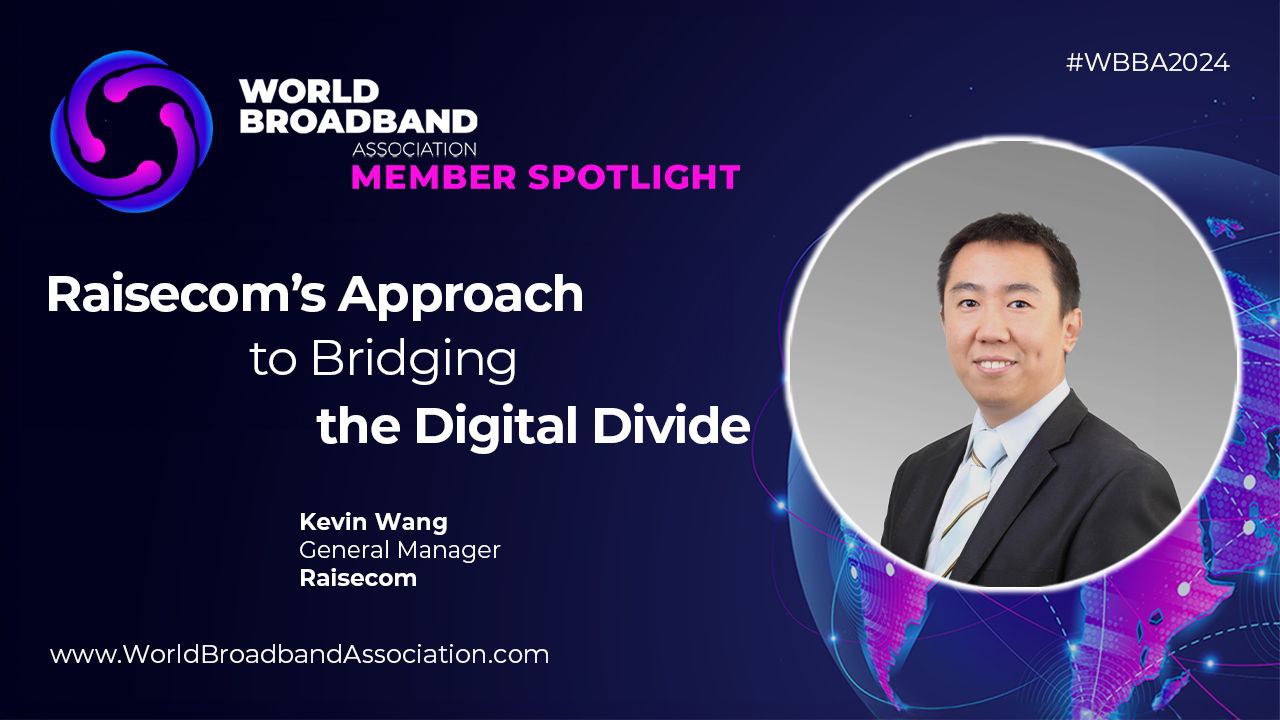
Bridging the Digital Divide: Raisecom's Strategic Initiatives
By Kevin Wang - General Manager, Raisecom EMEA
The digital divide remains a critical issue, particularly in rural and underserved areas where traditional broadband solutions often fall short. Raisecom, with its 25 years of experience in telecommunications and networking, is actively developing and implementing strategies to address these challenges. This blog explores two key areas of focus: effectively bridging the digital divide and making fixed broadband services more affordable and accessible.
Comprehensive Approach to Bridging the Digital Divide
Raisecom’s extensive experience spans access networks, IP/optical converged transport networks, and wireless networks. The company acknowledges that while Passive Optical Network (PON)-based broadband access is cost-efficient for connecting large numbers of residential subscribers, it is not a one-size-fits-all solution, especially for rural and underserved regions.
Challenges with PON-based Broadband in Rural Areas:
- High Costs: The investment required for fiber cable installation, operation, and maintenance often outweighs the potential profit for ISPs and fiber carriers.
- Government Subsidies: While subsidies can help bridge the funding gap in countries like China, Eastern Europe, and the US, they are often limited and difficult to secure, making them an unsustainable long-term solution.
Raisecom’s Innovative Solutions:
- Holistic Network Approach: Raisecom proactively considers broadband access and IP/optical transport networks as an integrated whole. This approach includes:
- Open Interoperation: Promoting open interoperability between different vendors’ PON OLTs (Optical Line Terminals) and ONUs (Optical Network Units).
- Adaptive Decoupling: Collaborating with major telcos like China Telecom to develop open optical networking models. This involves decoupling hardware and software, provisioning and operation, and electrical and optical layers to enable better utilization and ROI from fiber infrastructures.
- Enhanced Ecosystem: Fostering a better ecosystem in IP + Optical (OTN/WDM), Open ROADM, and Data Center Interconnect applications to deliver modern, bandwidth-intensive services that can significantly boost subscriber uptake and ARPU (Average Revenue Per User).
By advancing these strategies, Raisecom aims to change the perception that connecting rural subscribers is inherently unprofitable, encouraging service providers and governments to invest more confidently in these areas.
Making Fixed Broadband Services Affordable and Accessible
Ensuring that low-income households have access to affordable broadband services is a crucial step towards bridging the digital divide. Raisecom is leveraging its expertise to develop solutions that minimize the need for government subsidies while expanding access.
Innovative Broadband Solutions:
- Fixed Wireless Access (FWA): Raisecom sees FWA as a viable alternative to PON-based fiber solutions for low-income families and underserved areas. The company is developing Small Cell base stations with PON uplink interfaces, which utilize 4G/5G wireless interfaces. These Small Cell + FWA gateways can extend PON fiber reach with minimal capital investment, providing a practical solution for areas where traditional broadband is not feasible.
- Differentiated Service Models: Raisecom is also introducing lower-profile ONUs that enable service providers to offer broadband at varied pricing models suitable for low-income households. This approach ensures that even the most financially constrained families can stay connected, leveraging information technologies to improve their economic prospects.
Commitment to a Sustainable Digital Future
Raisecom, along with the World Broadband Association (WBBA), is committed to bridging the digital divide and making broadband more affordable. Their innovative approaches and strategic collaborations focus on open and interoperable network solutions, adaptive decoupling, and cost-effective FWA deployments. Raisecom is not only addressing immediate connectivity needs but also fostering a sustainable and inclusive digital future. These efforts are crucial for ensuring that all communities, regardless of their economic status, can benefit from the transformative power of broadband connectivity.
This comprehensive strategy highlights Raisecom's dedication to leveraging technology and strategic partnerships to bridge the digital divide, ensuring that no community is left behind in the digital age.
Interested in getting involved with the WBBA's important broadband advocacy work? Enquire about membership HERE to connect with industry leaders like Kevin and be part of our member-led community driving meaningful change. Together, we can accelerate broadband access worldwide.