Skip to content

Working Groups

Our Working Groups are beginning a new phase of broadband development research so now is the ideal time for you and your colleagues to get involved.

Discover the Working Groups

Environmental Sustainability

Network Technology

WBBA Broadband and Cloud Development Index

Customer Premises Network

Artificial Intelligence

Generational Roadmap & Demand Side Requirements and Timing
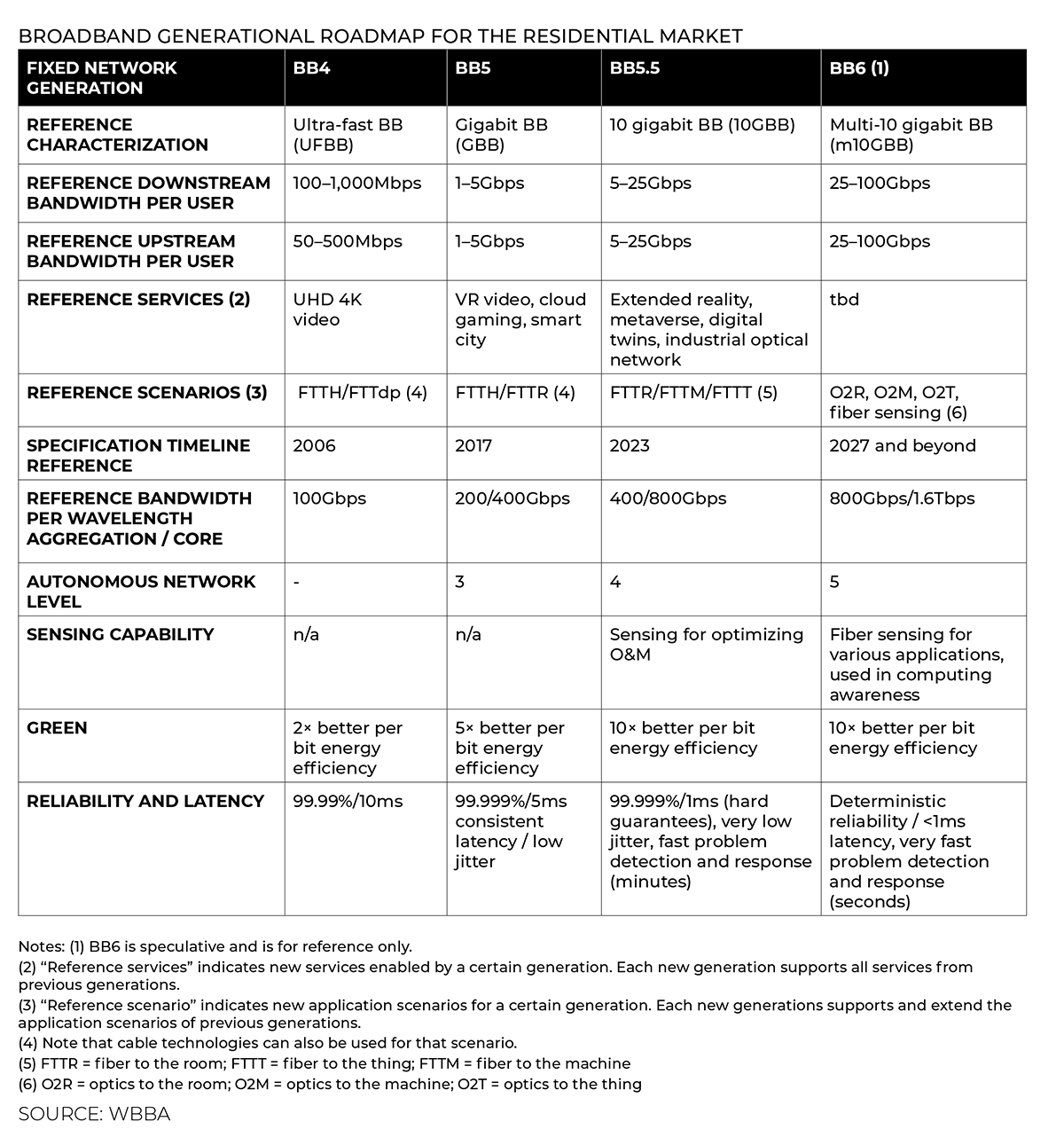
By better understanding the scale, nature and timing of the future demand for services and applications, the first WBBA working group is responsible for the Next Generation Broadband Roadmap.

The next generation of the internet will be highly reliant on advanced broadband network capabilities and those countries that are lagging behind in rollout will find themselves at a disadvantage in comparison with the most advanced countries, which could severely and negatively impact their socioeconomic development.

However, while the evolution to the next generation of broadband networks is complex, the WBBA is providing a long-term vision and actionable framework for all industry stakeholders, to drive the development of converged broadband networks that provide global broadband access and ultra high-quality connectivity for all.

Broadband Advocacy

The WBBA has a working group dedicated to developing and advocating a set of arguments for why it is important and beneficial to invest in broadband development in any given region.

By looking at investment in broadband from several different perspectives, including the point of view of governments, the financial community and operators, the WBBA is able to offer actionable recommendations for these different groups to consider on issues around broadband investment, advocating best practice examples and strategies.

The WBBA is providing the industry with critical strategic leadership by developing a Broadband Investment Strategy Guidebook, leveraging existing best practices and toolkits, and an analysis of the characteristics of the most effective national broadband strategies.

Environmental Sustainability

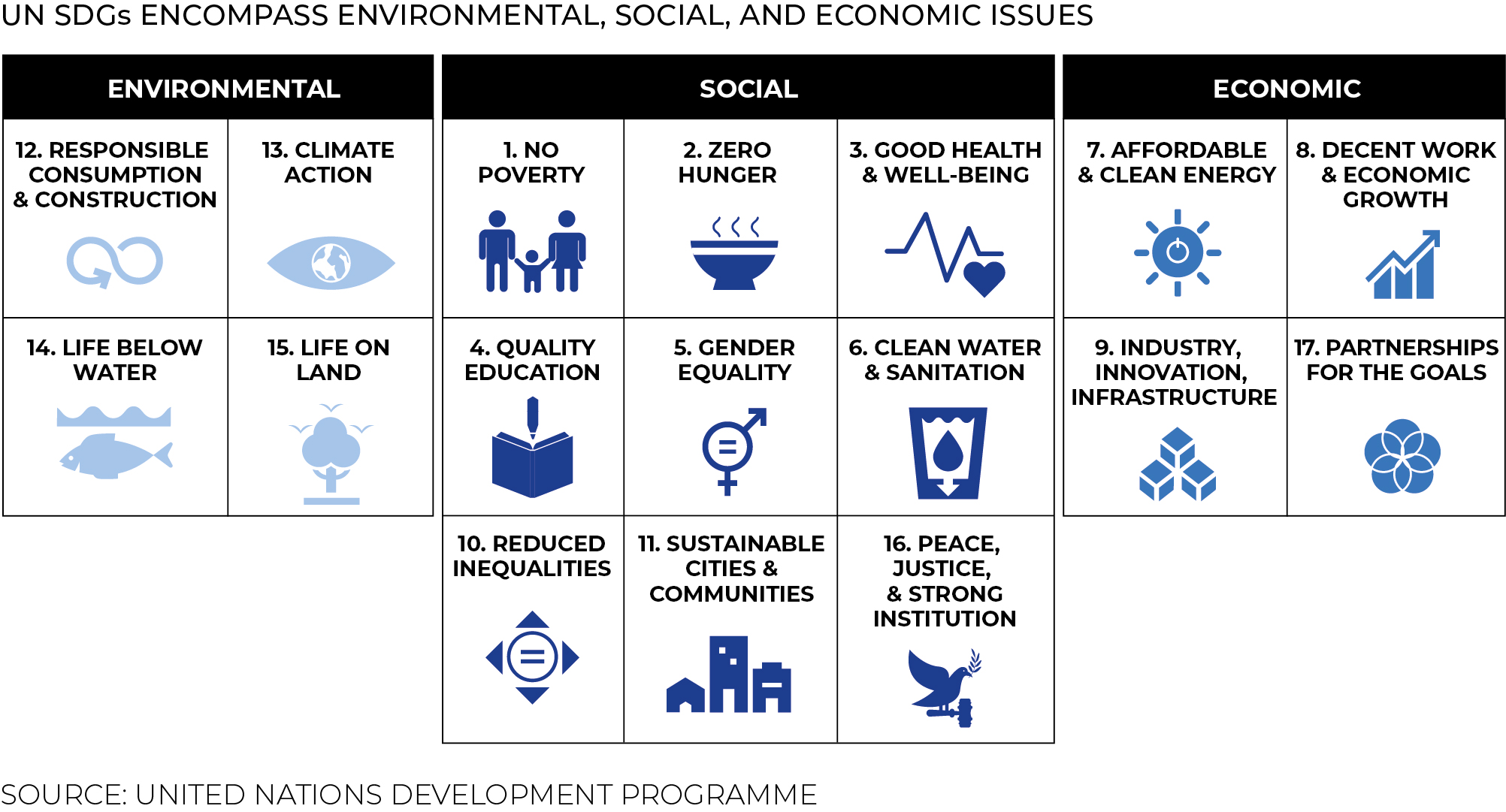
Embracing sustainability as a core element of corporate strategy offers great potential for the telecom industry, enabling companies to mitigate risks, improve operational efficiencies, enhance their reputation, access capital and drive innovation.

Through its third working group, the WBBA identifies and leads on the role of next generation broadband in a well-defined and operationalized sustainability strategy, including establishing the measures and methods required to help assess and improve network energy efficiency, to support industry stakeholders in aligning with their customers preferences, complying with increased regulatory pressures, and gaining competitive advantage.

Network Technology

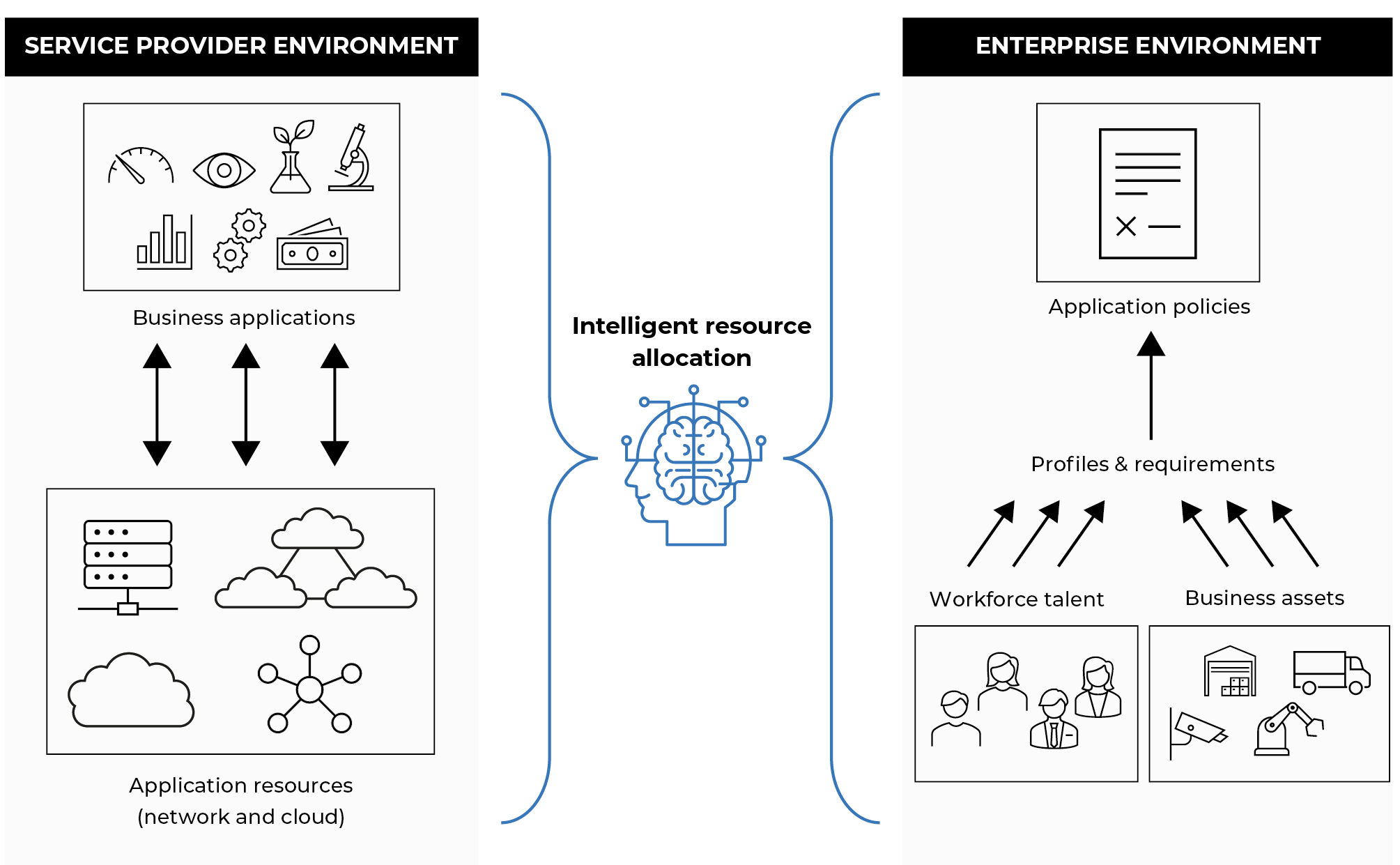
The fourth WBBA working group is focused on understanding the landscape of cloud network convergence, assessing and advising on how to achieve “cloud and network as one” and realise congestion-free new transport infrastructure with better network elastic scalability, enhanced intelligence, and true deterministic experience.

The WBBA’s demand analysis shows that by 2025, diversified at-home consumers, enterprises and vertical industries will be demanding a strong end-to-end transport bearer networking foundation with integrated secure devices to the client and automated network openness – by providing a way forward for cloud-based digital transformation, the WBBA is helping to facilitate the success of the digital economy.


WBBA Broadband and Cloud Development Index
  • This working group looks at developing the WBBA Broadband and Cloud Development Index. The purpose of the research is to support the development and growth of the broadband and cloud industries by ranking its performance across major countries. The benchmark combines coverage of broadband, which is the gateway to the internet and digital economy, and cloud computing, one of key enablers of digital applications services worldwide.
  • The WBBA Broadband and Cloud Development Index (BCDI) quantifies and ranks the performance of the two segments in major countries to identify leaders and best practices to support the development and growth of the broadband and cloud industries in their countries. It was created through member-led working groups of the WBBA where members shaped the direction and development of the research.

The BCDI aims to provide new insight and examples for broadband industry stakeholders – including legislators, policymakers, investors, vendors, service providers, and enterprises – to address and drive forward the goals of democratizing broadband and cloud access to enable broader economic and social benefits.


Customer Premises Network

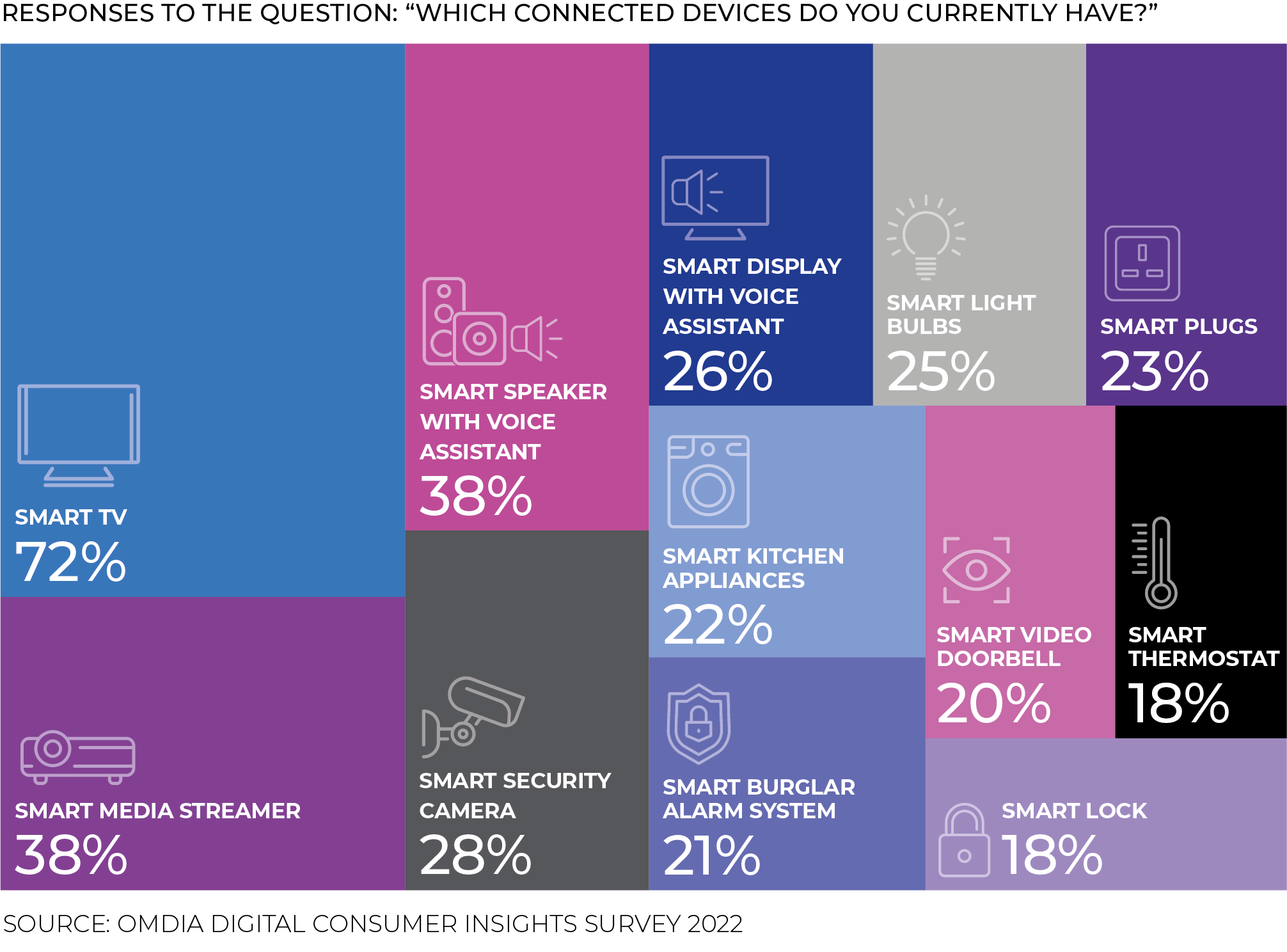
In a rapidly evolving digital landscape marked by the rise of UHD video, metaverse, online education, healthcare, and smart manufacturing, the demand for robust home and business broadband services has never been greater. To meet these demands, the Customer Premises Network (CPN) Working Group has been established.

This group aims to drive innovation and deployment in CPN technologies. Through gathering and exchanging service innovations, analysing use cases etc., this Working Group seeks to identify business requirements, bridge solution gaps, and promote emerging technologies. Join us in shaping the future of CPN and unlocking novel services and applications. Phase 1 focuses on publishing a white paper on F5G-A related services, paving the way for widespread adoption among industry stakeholders.


Artificial Intelligence

Experience the transformative power of Artificial Intelligence (AI) as it revolutionizes life and work, both locally and globally. Stay ahead of the curve and embrace the dynamic shifts in our economy and society with confidence. Discover how AI is shaping the future today.

Sign Up to Receive News Updates

Members

China Telecom Corporation Limited (“China Telecom” or the “Company”, a joint stock limited company incorporated in the People’s Republic of China with limited liability, together with its subsidiaries, collectively the “Group”) is a large-scale and leading integrated intelligent information services operator in the world, providing wireline & mobile telecommunications services, Internet access services, information services and other value-added telecommunications services primarily in the PRC.

As at the end of 2020, the Company had mobile subscribers of about 351 million, wireline broadband subscribers of about 159 million and access lines in service of about 108 million. The Company’s H shares are listed on the Main Board of The Stock Exchange of Hong Kong Limited (the “Hong Kong Stock Exchange” or “HKSE”).

Members

Founded in 1987, Huawei is a leading global provider of information and communications technology (ICT) infrastructure and smart devices. We have approximately 197,000 employees and we operate in over 170 countries and regions, serving more than three billion people around the world.

Huawei’s mission is to bring digital to every person, home and organization for a fully connected, intelligent world. To this end, we will: drive ubiquitous connectivity and promote equal access to networks to lay the foundation for the intelligent world; provide the ultimate computing power to deliver ubiquitous cloud and intelligence; build powerful digital platforms to help all industries and organizations become more agile, efficient, and dynamic; redefine user experience with AI, offering consumers more personalized and intelligent experiences across all scenarios, including home, travel, office, entertainment, and fitness & health.

Members

At Nokia, we create technology that helps the world act together.

The world is facing fundamental challenges. Pressure on the planet is increasing, productivity is stalling and access to opportunity remains stubbornly unequal. Technology is central to the solution.

Through technology leadership and trusted partnerships, we deliver critical networks to help address global issues.  We have the power to bring together the world’s people, machines and devices, sensing and acting in real time at massive scale. Our critical networks go beyond connectivity to enable self-optimizing, intelligent systems both locally and globally.

With our customers we deliver solutions that respond to climate change through more efficient use and re-use of the world’s resources, restore productivity growth by bringing digital to the physical industries it has not yet reached and provide more inclusive access globally to work, healthcare and education.

We create meaningful interactions to drive human progress.

Members

The technology world as we know it, is changing faster than ever. In a dynamic and complex landscape, the stakes are high, and the challenges and opportunities are real.

At the start of 2020 we formed Omdia by unifying the depth and breadth of expertise from Informa Tech’s legacy research brands: Ovum, IHS Markit Technology, Tractica and Heavy Reading. This empowered us to serve the technology industry like never before.

Today, we help organizations make better technology choices for their business and enable technology innovators to better understand and reach the markets they hope to serve.

Members

Swisscom is Switzerland’s leading telecom provider and one of its foremost IT companies, headquartered in Ittigen, close to the capital city, Bern. Its subsidiary Fastweb has built up a strong position on the Italian market. Swisscom brooks no compromise when it comes to serving customer needs; it focuses on service and quality and invests massively in the networks of the future.

Members

Openreach Limited runs the UK’s digital network. We’re the people who connect homes, schools, hospitals, libraries, businesses – large and small, broadcasters and governments to the world. It’s our mission to build the best possible network with the highest quality of service, and make sure that everyone in the UK can be connected. We’re a wholly owned subsidiary of BT Group and our customers are the 650+ communications providers who sell phone, broadband and Ethernet services to homes and businesses.

Openreach is made up of four divisions – service delivery, fibre and network delivery, strategic infrastructure development, and headquarters.

Our 35,000 people are hugely experienced, resourceful and innovative. They tackle complicated engineering problems – from coordinating works with councils, highways agencies, energy suppliers and landowners, to installing and maintaining the complex kit that provides fibre broadband services. They go the extra mile and take on any challenge to build a better, faster and more affordable network that helps our customers stay connected.